From Encounter to Commitment — A Spiritual Ecology

By Blog, Spiritual Ecology
The idea of a spiritual ecology—a sense of sacred relationship with the natural world—has roots in philosophy as well as lived experience. Ernst Haeckel, a German biologist and philosopher who coined the term “ecology,” believed that one set of natural laws shapes everything—matter, energy, and life itself. Influenced by Baruch Spinoza, a 17th-century Dutch philosopher who argued that God and…
Read More
How Caring for Wild Animals Changes Us

By Blog, Spiritual Ecology
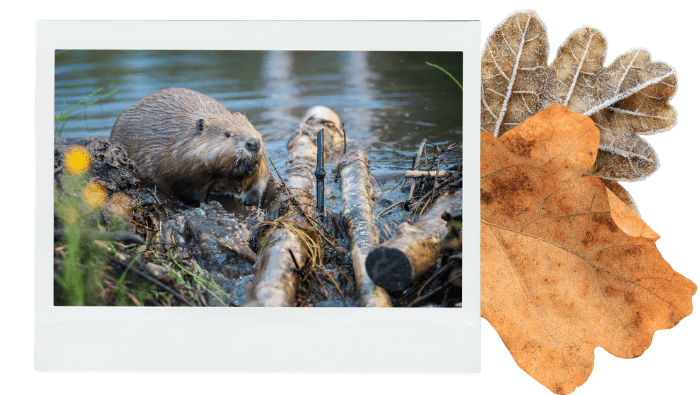
There’s a story that floats around online about a trapper who became a wildlife defender because of two baby beavers. Curious whether it was true, I went looking and found an old essay about Grey Owl (whose real name was Archibald Belaney), a conservation writer and naturalist from the early 1900s who became well known for pushing people to protect…
Read More

Planning a Backyard with Rewilding in Mind

By Blog, Real Wilding
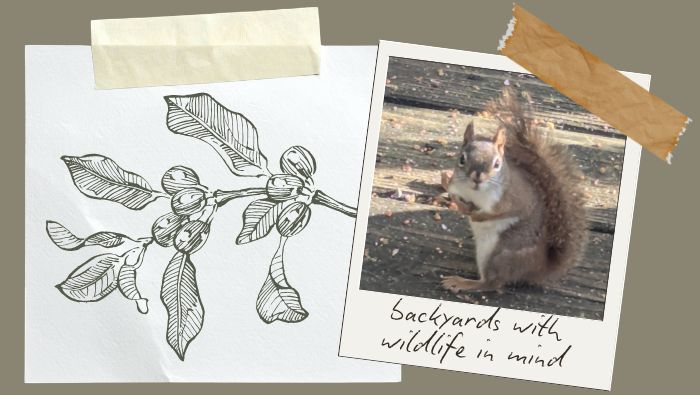
Creating wildlife habitat in your backyard requires balancing the needs of both humans and more-than-human species. Thoughtful design can make rewilded spaces inviting, functional, and beautiful while still supporting biodiversity. There are definitely challenges to rewilding, but let’s look at a few big-picture design considerations to give you a place to start thinking about your own rewilding project. Think balance.…
Read More

Rewilding for Connection and as Quiet Resistance

By Blog, Real Wilding
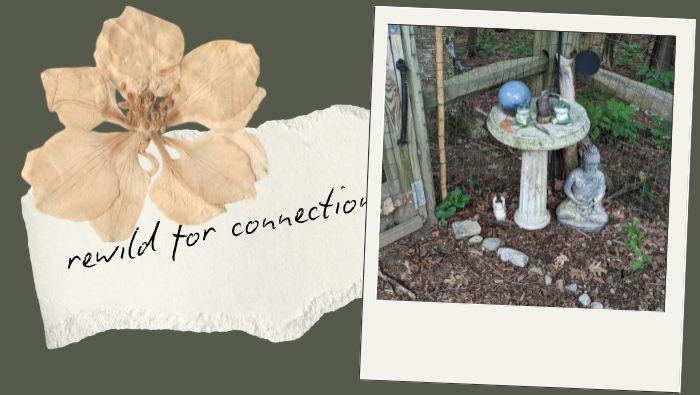
Rewilding changes more than the land, it changes how you relate to nature. Rewilding fosters a sense of interconnection with the natural world and a spirituality that emerges from experiences of wonder, belonging, and participation in a larger living system. Engaging in habitat restoration encourages reflection on human impacts on the rest of nature and can lead to shifts in…
Read More

How Rewilded Backyards Support Ecosystems

By Blog, Real Wilding
Typical urban and suburban landscapes are often dominated by lawns and nonnative plants that drain resources without giving much back. Native ecosystems break down when these landscapes replace them. Switching to native plants supports biodiversity and increases ecosystem services. Rewilded gardens create habitat for wildlife and, when repeated across neighborhoods, form corridors that connect larger green spaces. Rewilding in urban…
Read More

Why Rewilding Feels Good: Mental and Physical Benefits of Gardening for Wildlife

By Blog, Real Wilding
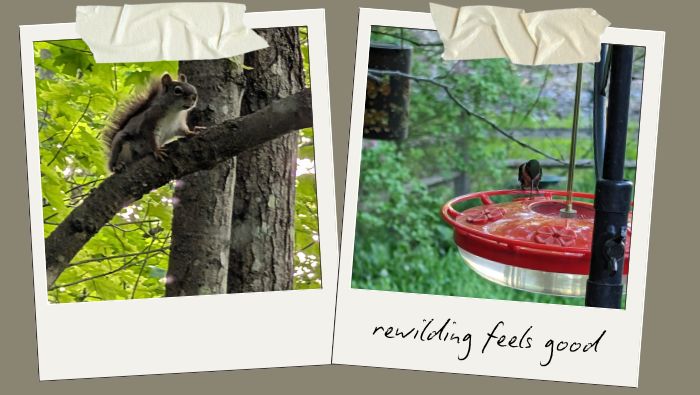
Time in nature is well known to support mental health. Gardening, in particular, has been linked to increased well‑being, stress reduction, and improved mood. But the benefits aren’t equal across all types of gardens. Research shows that gardens with greater biodiversity provide deeper psychological rewards. That means a garden filled with life – birds, squirrels, plants, insects – offers more…
Read More

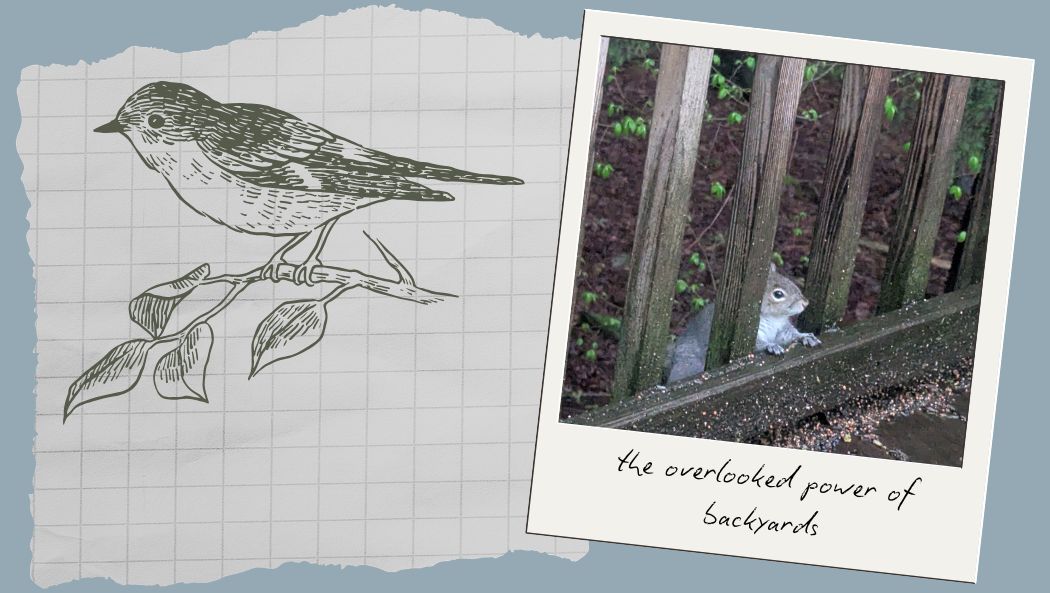
The Overlooked Power of Backyards in Saving Biodiversity

By Blog, Real Wilding
Urban and suburban backyards aren’t usually thought of as conservation spaces. Conservation tends to focus on distant places and well‑known species, while the wildlife living close to home, like the insects, birds, and amphibians quietly disappearing from our neighborhoods, goes largely unnoticed. But private land, like your backyard, matters more than you realize. In fact, small changes in the way…
Read More

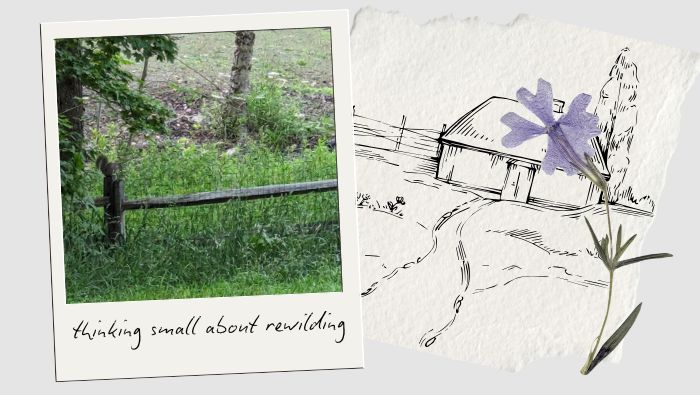
Thinking Small About Rewilding: Why Backyards Matter

By Blog, Real Wilding
When you hear the word “rewilding,” you probably think of large rural estates or ambitious conservation projects far removed from everyday life. It’s easy to assume that meaningful participation in rewilding requires land, money, or special access. I believe that rewilding is possible—and valuable—even on less than an acre, right where most people live. Rewilding often brings to mind large…
Read More