
Have you ever filled a bird feeder, helped a turtle cross the road, pulled invasive weeds, planted flowers for pollinators, or picked up litter—and wondered whether it really makes a difference?
 It does. And I think there’s a name for people who do these things: ecological caregivers.
Maybe you know how this feels. I was once in a room full of religious leaders, environmental lawyers, and activists, afraid someone would ask, “What do you do?” How could I answer without revealing that I felt out of place? What could I say that would lift up those of us doing the hands-on work of tending to the small things?
There are limits to how much we can give to big work.
If you’re leading a movement or advocating in the halls of power, I honor that work. We need those people.
 But most of us aren’t on the front lines, even when we care deeply. We’re juggling jobs, families, caregiving responsibilities, health concerns, and all the ordinary demands of daily life. Honestly, making sure you and the people you’re responsible for are housed and fed is enough some days.
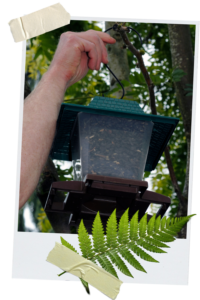
Maybe today you filled a bird feeder. Maybe you watered your pollinator garden. Maybe you picked up litter while walking the dog. These small acts matter greatly.
It took me a while to realize that I didn’t have to be an environmental lawyer, activist, or nonprofit leader to belong in that room. The work I was doing mattered, too. And so does yours.
Who Is an Ecological Caregiver?
Ecological caregivers come in many forms. You might be:
- A wildlife rescuer or rehabilitator
- A community garden volunteer
- Someone who planted natives to support wildlife
- A crossing guard for turtles and ducklings
- A trail steward
- An invasive species or disease monitor
- A brush pile maker
- And so many more of us doing small acts of tending to our ecological relations
For half a century, you’ve been hearing, “Think global, act local.” An ecological caregiver acts locally. Maybe you’re thinking about the greater good. Or maybe you simply notice a need and respond with compassion because that is who you are.
I’ve shared before how important your backyard is for conservation. Inspired by the relationships you have within your wild community, ecological caregiving can be as powerful as giving a speech to a room full of activists or lawyers.
 The next time someone asks what you do, maybe one answer is this:
“I’m an ecological caregiver.”
Whether you’re tending a backyard habitat, rescuing wildlife, monitoring invasive species, or simply responding to the needs of the living world around you, your work matters.
You belong in the room.
And, more importantly, you belong in the web of care that helps sustain life around us.